
Improving the Mobility of People with Disabilities!
Advanced prosthetic knee solutions designed to support better stability, safer walking, and improved confidence for above-knee amputees.
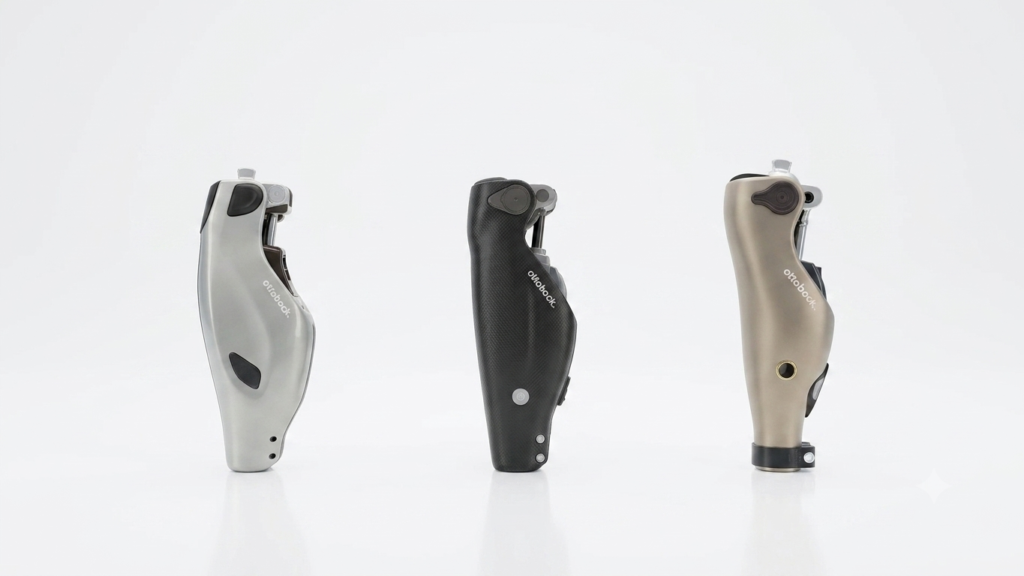
Many above-knee prosthesis users share the same challenges. If any of these sound familiar, a prosthetic knee assessment can help you find the right path forward.
Concern about the prosthetic knee giving way while walking or changing surface is a common worry for above-knee amputees.
Ramps, uneven roads, and outdoor terrain can feel unpredictable and unsafe with a basic prosthetic knee joint.
Climbing or descending stairs safely can feel challenging without a prosthetic knee designed for adaptive movement control.
Fit, gait pattern, and socket discomfort with an existing prosthetic knee can limit daily movement and quality of life.
A prosthetic knee that doesn't adapt to walking speed or movement can make walking feel mechanical or exhausting.
Understanding the difference between a microprocessor knee, C-Leg, Genium, and a hydraulic knee joint can be overwhelming without expert guidance.
A microprocessor knee is an advanced prosthetic knee joint that uses built-in sensors and computer-controlled technology to monitor and respond to a user’s movement in real time.
Unlike a standard mechanical knee, which has a fixed resistance, a microprocessor controlled knee joint continuously adjusts how the knee behaves — adapting to walking speed, terrain changes, body position, and daily activities such as sitting, standing, climbing stairs, or walking on slopes.
The result is better walking stability, improved safety, and a more natural movement pattern for above-knee amputees who need a reliable and responsive prosthetic knee.
Built-in sensors continuously track walking speed, joint angles, body posture, and terrain conditions.
The onboard processor analyses sensor data many times per second and adjusts knee resistance accordingly.
The result is smoother, safer, and more adaptive movement throughout daily activities.
Track speed, angle, terrain, and body position continuously during movement
Analyses data and adjusts knee resistance hundreds of times per second
Safer, smoother gait on flat ground, slopes, stairs, and uneven terrain
The knee's intelligent response helps users feel more secure and supported during everyday walking, reducing the physical effort required to maintain balance.
Advanced stance-phase control can help prevent unexpected knee buckle during weight-bearing, providing greater safety during daily activities.
Useful for ramps, outdoor walking, gravel, and terrain changes areas where a fixed-resistance knee may not adapt adequately.
The knee responds according to walking speed and movement, making the gait pattern feel smoother and more biomechanically natural over time.
Supports smoother transitions between sitting and standing positions, which can make daily activities at home and work more comfortable.
Helps users move with greater control in work settings, travel, social environments, and daily life supporting independence and quality of life.
Designed to support safer, more confident movement across everyday situations.
A microprocessor knee prosthetic may be a suitable option for the following individuals but final suitability is always determined through a professional assessment.
A microprocessor knee is not automatically the right solution for every above-knee amputee. Suitability depends on several individual factors that only a clinical assessment can evaluate properly.
Factors assessed include:
Final recommendation is always made after a proper prosthetic assessment. Results and experiences may vary based on individual factors.
Different users need different knee joint solutions. The right option depends on mobility goals, activity level, comfort, budget, and clinical evaluation. Here is an overview of the major options discussed during consultations
For accurate 3R80 hydraulic knee price guidance, please book a consultation.
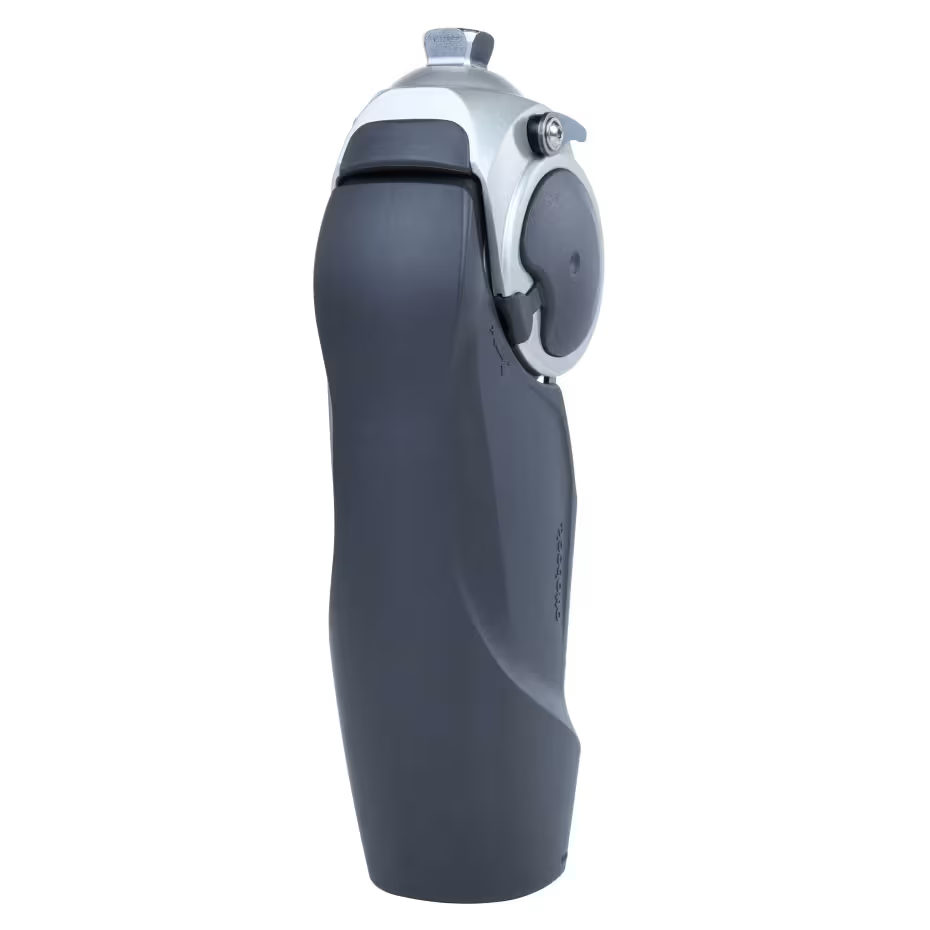
C-Leg price depends on configuration, socket, foot, and fitting requirements. Consultation required for accurate guidance.
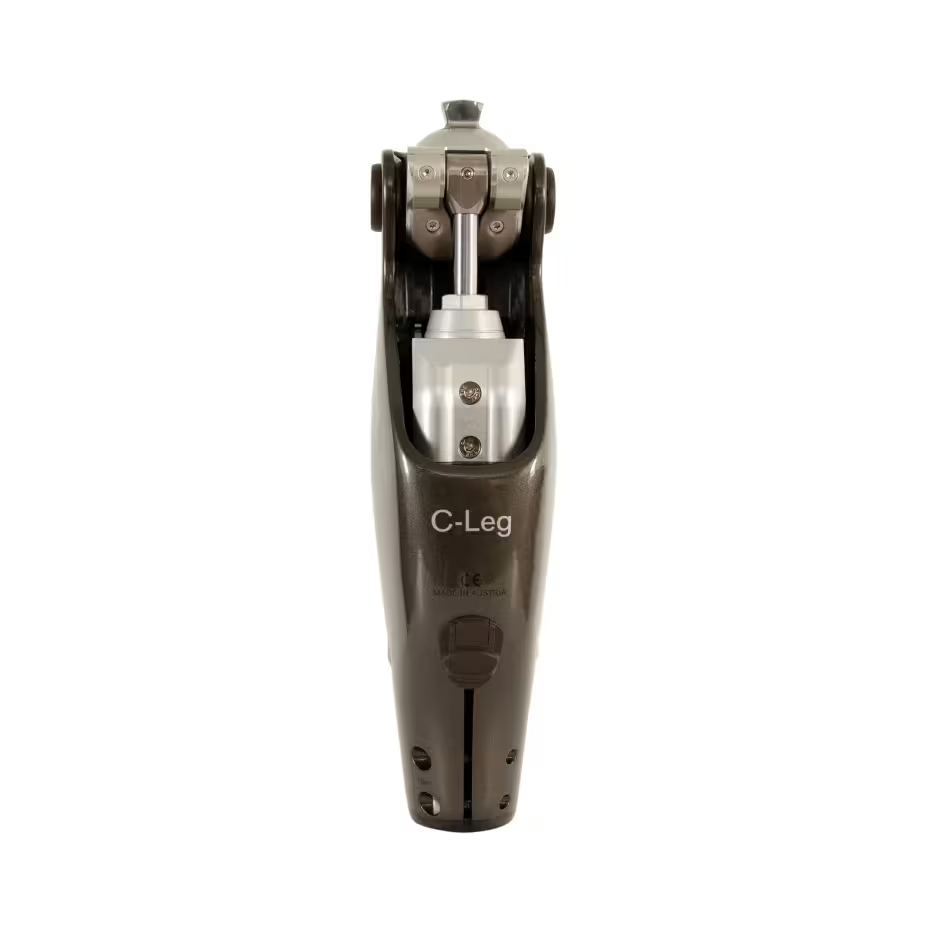
Genium microprocessor knee price varies based on model, socket, foot, and clinical needs.
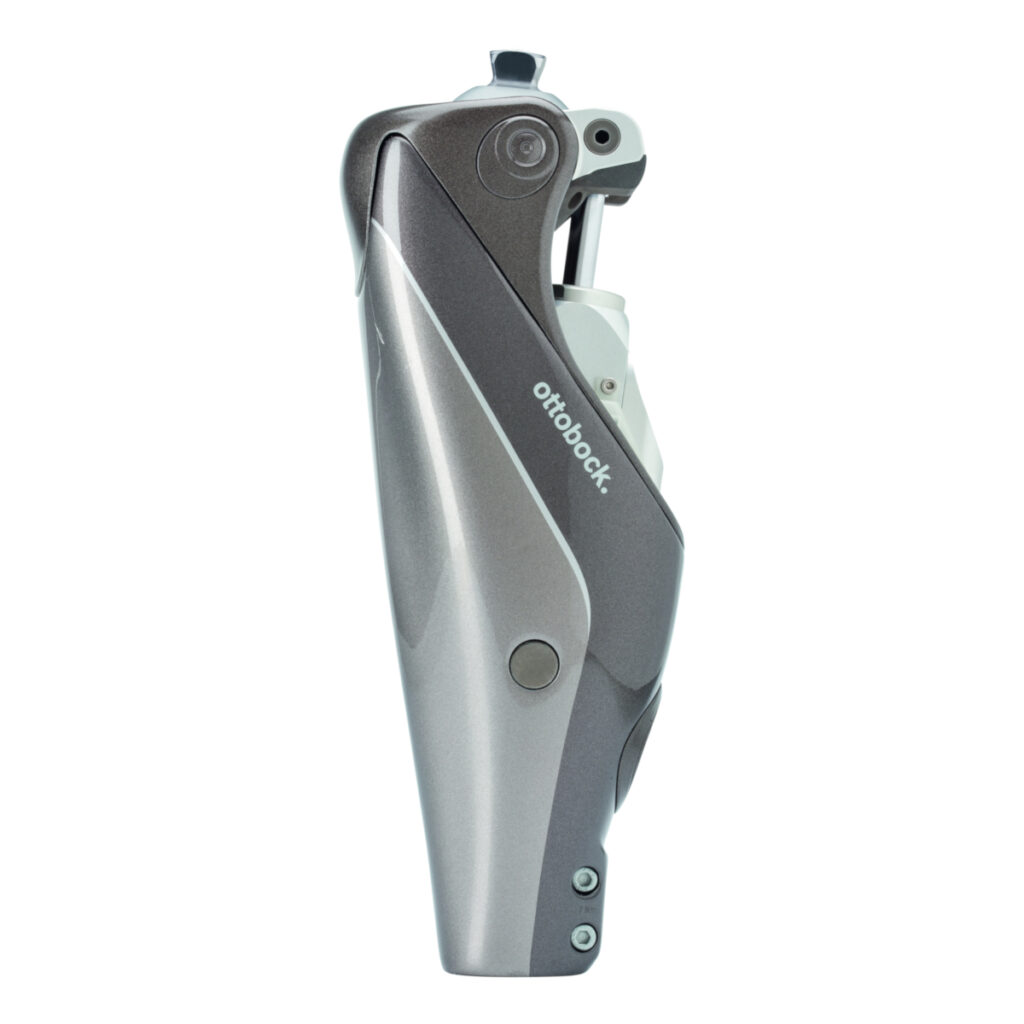
Genium X3 knee price requires assessment. Contact us for personalised guidance.
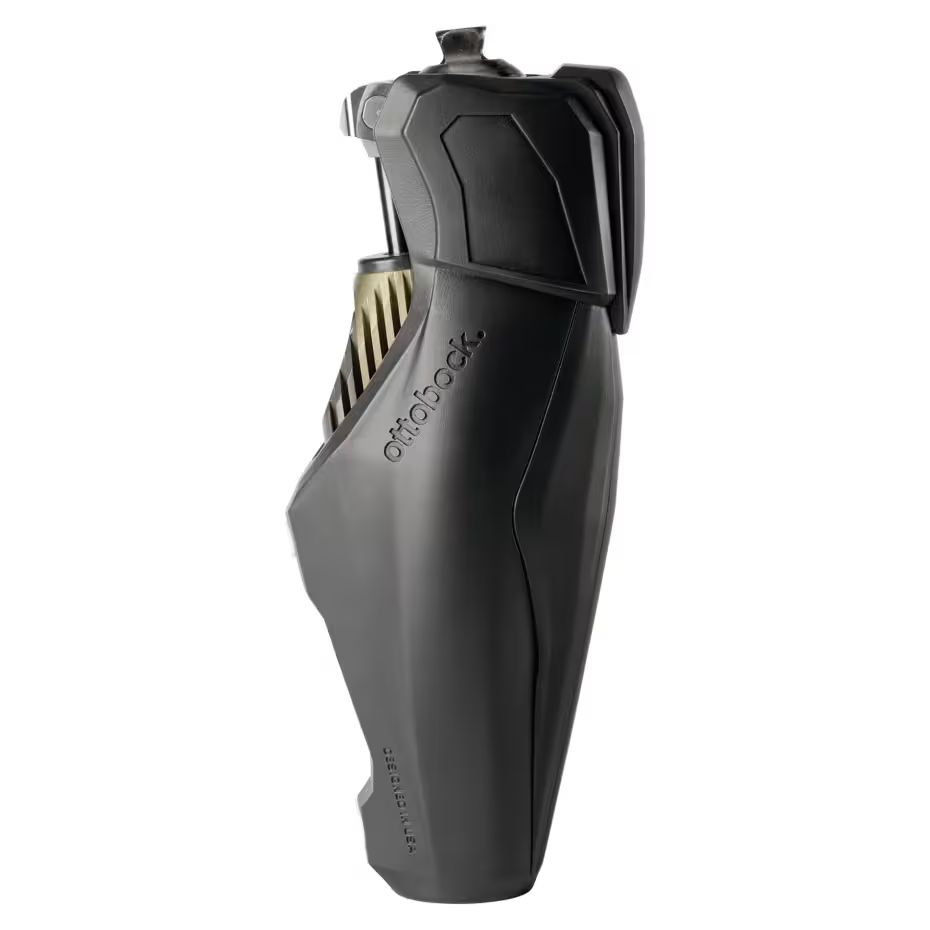
Hydraulic knee joint price depends on model, socket, and fitting. Assessment required for recommendation.
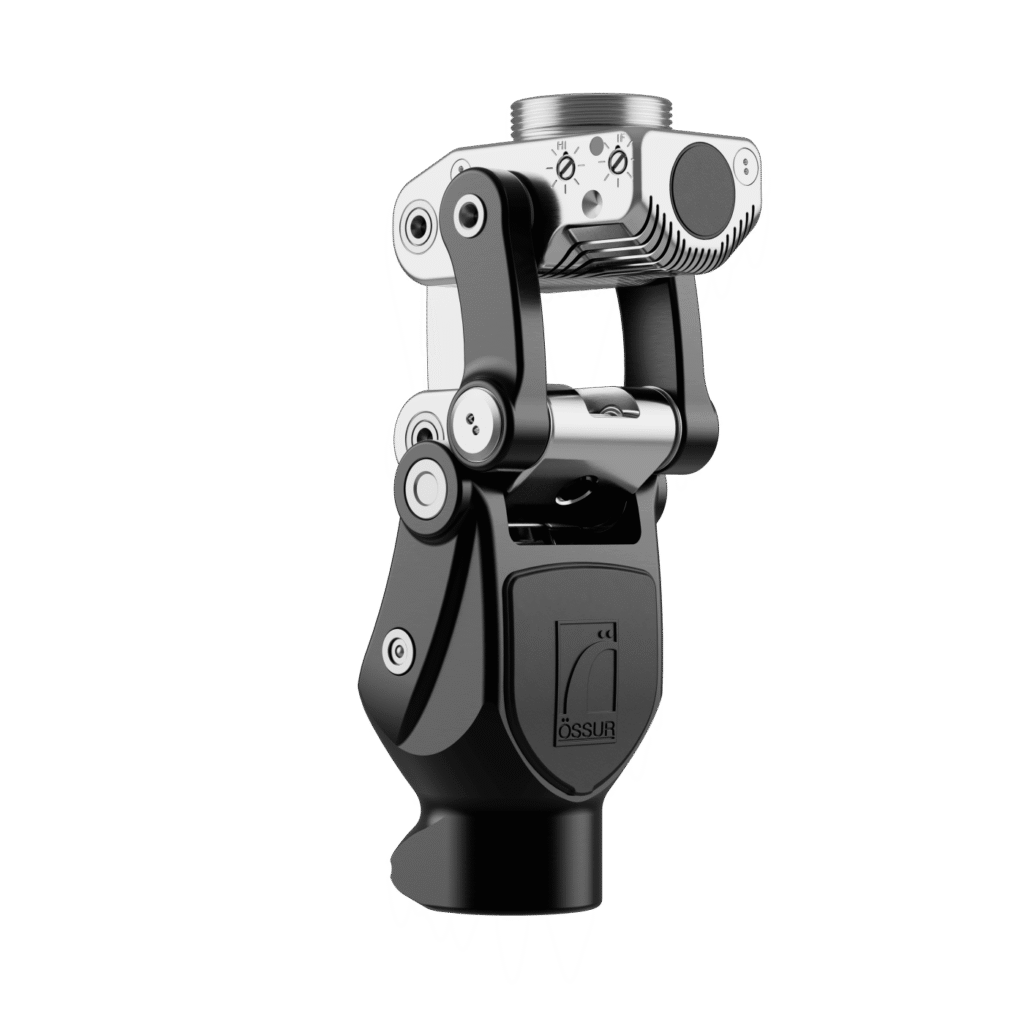
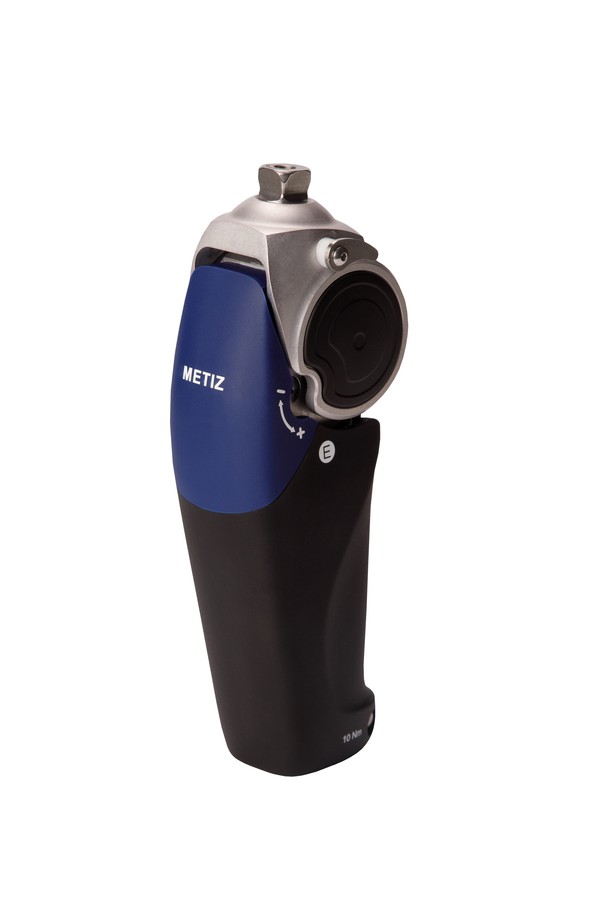
Metiz 6H30B hydraulic waterproof knee price depends on socket, foot, and fitting requirements. Consultation required for accurate guidance.
This comparison is meant to help you understand the key differences. Final recommendation always depends on your individual assessment.
| Feature | Microprocessor Knee | Hydraulic Knee |
|---|---|---|
| Technology | Sensor and computer-controlled — responds in real time to movement and terrain. | Hydraulic mechanical control — fixed or adjustable fluid resistance. |
| Walking Adaptability | Continuously adjusts based on movement, speed, and surface type. | Provides controlled resistance during swing and stance phases. |
| Safety Support | More adaptive stability with active stance control. | Good mechanical control for appropriate mobility profiles. |
| Terrain Support | Better suited for slopes, ramps, stairs, uneven ground, and variable speed. | Suitable for active walking depending on model and user profile. |
| Maintenance | Requires battery charging; periodic servicing of electronics. | Mechanical maintenance; no battery required in most models. |
| Price Range | Generally higher investment due to advanced technology. | Generally lower cost than microprocessor knee options. |
| Best Suited For | Users needing advanced adaptive control, safety, and higher mobility. | Users needing reliable controlled movement without electronics. |
The knee's intelligent response helps users feel more secure and supported during everyday walking, reducing the physical effort required to maintain balance.
Advanced stance-phase control can help prevent unexpected knee buckle during weight-bearing, providing greater safety during daily activities.
Useful for ramps, outdoor walking, gravel, and terrain changes areas where a fixed-resistance knee may not adapt adequately.
The knee responds according to walking speed and movement, making the gait pattern feel smoother and more biomechanically natural over time.
Supports smoother transitions between sitting and standing positions, which can make daily activities at home and work more comfortable.
Helps users move with greater control in work settings, travel, social environments, and daily life supporting independence and quality of life.
Designed to support safer, more confident movement across everyday situations.
The microprocessor knee price is not a single fixed number. It depends on a combination of clinical, technical, and individual factors specific to each patient. Here is what typically influences the cost.
We do not publish fixed prices because every patient's prosthetic setup is unique. The total cost of a microprocessor knee — whether C-Leg, Genium, Genium X3, or a hydraulic knee option — is determined only after a proper clinical evaluation. We provide transparent pricing guidance after understanding your specific needs, lifestyle, and goals. Please contact us to discuss your options.
Our approach to prosthetic knee fitting is thorough, patient-centred, and built around long-term comfort and function — not just the fitting day.
We begin by understanding your amputation level, the challenges you face with your current prosthesis (if any), daily lifestyle, mobility goals, work demands, and the environments you move in most frequently.
A clinical evaluation of your stump condition, skin health, residual limb shape, core strength, balance ability, walking endurance, and overall activity level is carried out to identify the most suitable options.
Based on your assessment findings, we compare suitable options—including a microprocessor knee such as C-Leg or Genium, a hydraulic knee like the 3R80, or another option appropriate for your mobility profile and budget.
A custom-fitted socket is designed and fabricated to match your stump's unique shape. Socket comfort, load distribution, and interface material are chosen based on your stump condition and daily activity level.
The prosthetic knee is aligned for your height, gait pattern, and body mechanics. A trial fitting session allows the prosthetist to make adjustments before final completion, ensuring stability and comfort.
Structured gait training helps you learn to walk safely and confidently with your new prosthetic knee. Sessions cover flat walking, sitting and standing, stairs, ramps, outdoor surfaces, and adjusting to different walking speeds.
After fitting, we schedule follow-up appointments to review socket comfort, alignment, gait quality, and any adjustments needed as you build confidence and return to daily activities.
Our approach to prosthetic knee care is patient-first, assessment-driven, and focused on long-term outcomes — not just the product.
Every recommendation begins with a thorough evaluation of your mobility profile, lifestyle, and prosthetic history — not just a product catalogue.
We discuss and support microprocessor knee options including C-Leg, Genium, Genium X3, and hydraulic knee joints including the 3R80, based on suitability.
Sockets are custom-fabricated for your stump shape, skin condition, and activity requirements — because fit is as important as the knee joint itself.
Structured gait training sessions are part of every fitting, covering walking, stairs, ramps, and day-to-day movement for safe independent use.
Ongoing follow-up appointments monitor comfort, gait quality, alignment, and any required adjustments as you adapt to your prosthetic knee.
We explain what drives cost, help you understand your options clearly, and guide you toward a solution that fits both your mobility goals and budget.
Making an informed decision about your prosthetic knee is important. Here are some key points that help patients and families think through the right choice.
Ability Healthcare Prosthetic Team
Choosing between a microprocessor knee, C-Leg, Genium, Genium X3, or a hydraulic knee option is not a decision that should be made from a product brochure alone.
Your mobility profile, stump condition, daily life demands, and long-term goals all shape the right recommendation. That is exactly what a clinical assessment is designed to help with.
We guide patients through this decision step by step — transparently, without pressure, and with your long-term wellbeing as the priority.
Our approach to prosthetic knee fitting is thorough, patient-centred, and built around long-term comfort and function — not just the fitting day.
Hi I am surendra yadav
It was an awesome experience with ability health care.The crew members and Dr Kuldeep , Dr Anushree so nice and humble .
Really I m very happy with our personal experience with ability health care .

I have had a very good overall experience with Ablity health care and Dr. Anushree. I have been using the arch support for about an year now and it has helped me with the heel pain I was suffering from.

Anamika Gupta
Had a very good experience in ability health care.Got my above knee Prosthetic leg & I’m very comfortable & happy with the fitment.Thanks to Dr. Kuldeep & Dr. Annushree.

SHOURABH KUMAR
Hi this is Rishi it was good experience with Ability health care.As for as Dr.Kuldeep is concerned he is a to good, responsible & experienced person. & Dr.Anushree is also caring and humble.
Really it was great experience.

Mahendra Kumar
My self utkarsh we had a best experience in ability health care bundle of thanks to all the staff and specially Dr. anushree mam she helped us and now my brother can walk easily thank you again 😊👍🏻

Som Awasthi
In Ability Healthcare, artificial hands with very good sensor are fitted. Many thanks to Dr. Kuldeep Singh and Dr. Anushree Singh. Now we are able to do all our work again.
Do visit Ability Healthcare Lucknow for artificial hands fitting.

Sanjay Kumar
Answers to the most common questions about microprocessor knees, C-Leg, Genium, hydraulic knees, pricing, and suitability.
Not sure whether you need a microprocessor knee, C-Leg, Genium, Genium X3, or a hydraulic knee option? Get a personalised recommendation based on your mobility level, comfort needs, and daily lifestyle — with no pressure, just clear guidance.