
Improving the Mobility of People with Disabilities!
Expert treatment for flat feet, plantar fasciitis, heel spurs, supination, and diabetic foot complications.
Your feet carry you through life – quite literally. At Ability Healthcare, we understand how vital foot health is to your overall well-being. Whether you’re managing foot pain, dealing with deformities, or just seeking better support, our footcare segment is here to help.
Foot problems are more common than you think, and early intervention can make a world of difference. Here’s what many people experience
Master muscle signal control techniques
On-site gait analysis & pressure mapping for precise diagnosis
Custom-made foot orthotics & insoles tailored to your needs
Advanced 3D scanning captures every contour of the foot for accurate assessment
Ulcer prevention & amputation-risk management protocols
State-of-the-art fabrication lab for accurate, fast results
Comprehensive treatment for all types of foot conditions, from common ailments to complex deformities, using proven medical protocols.
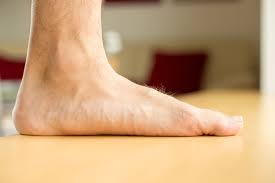
Lack of arch support leads to fatigue and pain.
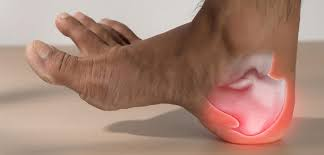
Heel pain caused by inflammation of the tissue band under the foot.
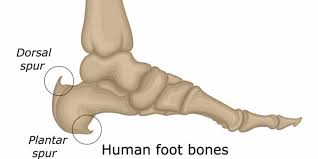
Calcium build-up on the heel causing sharp pain.
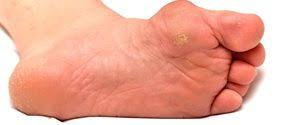
Caused by misalignment and pressure points.
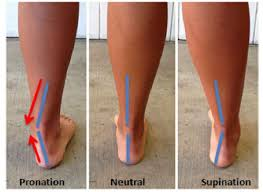
Abnormal foot mechanics leading to pain in knees, hips, and back.
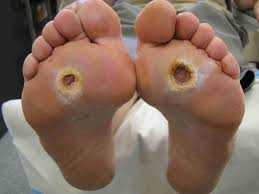
Reduced sensation and circulation, increasing risk of ulcers.
Comprehensive treatment for all types of foot conditions, from common ailments to complex deformities, using proven medical protocols.
We follow a systematic approach to diagnose and treat your foot conditions effectively, ensuring lasting relief and improved mobility.
Meet with our foot care specialist for initial assessment
Comprehensive foot examination & gait analysis
Pressure mapping & advanced foot diagnostics
Personalised treatment plan based on your condition
Custom insoles/orthotics fabrication (if required)
Regular follow-up & long-term foot care guidance
While nothing replaces a professional assessment, here are a few steps you can take at home
At Ability Healthcare, we offer both preventive and corrective solutions for foot-related problem
Advanced 3D scanning captures every contour of the foot for accurate assessment
Based on your 3D scan, we design tailor-made insoles to correct alignment, improve comfort, and relieve pain.
Get professional advice on selecting shoes that support your foot type and lifestyle.
Special cushioning and antimicrobial materials designed for sensitive or at-risk feet.
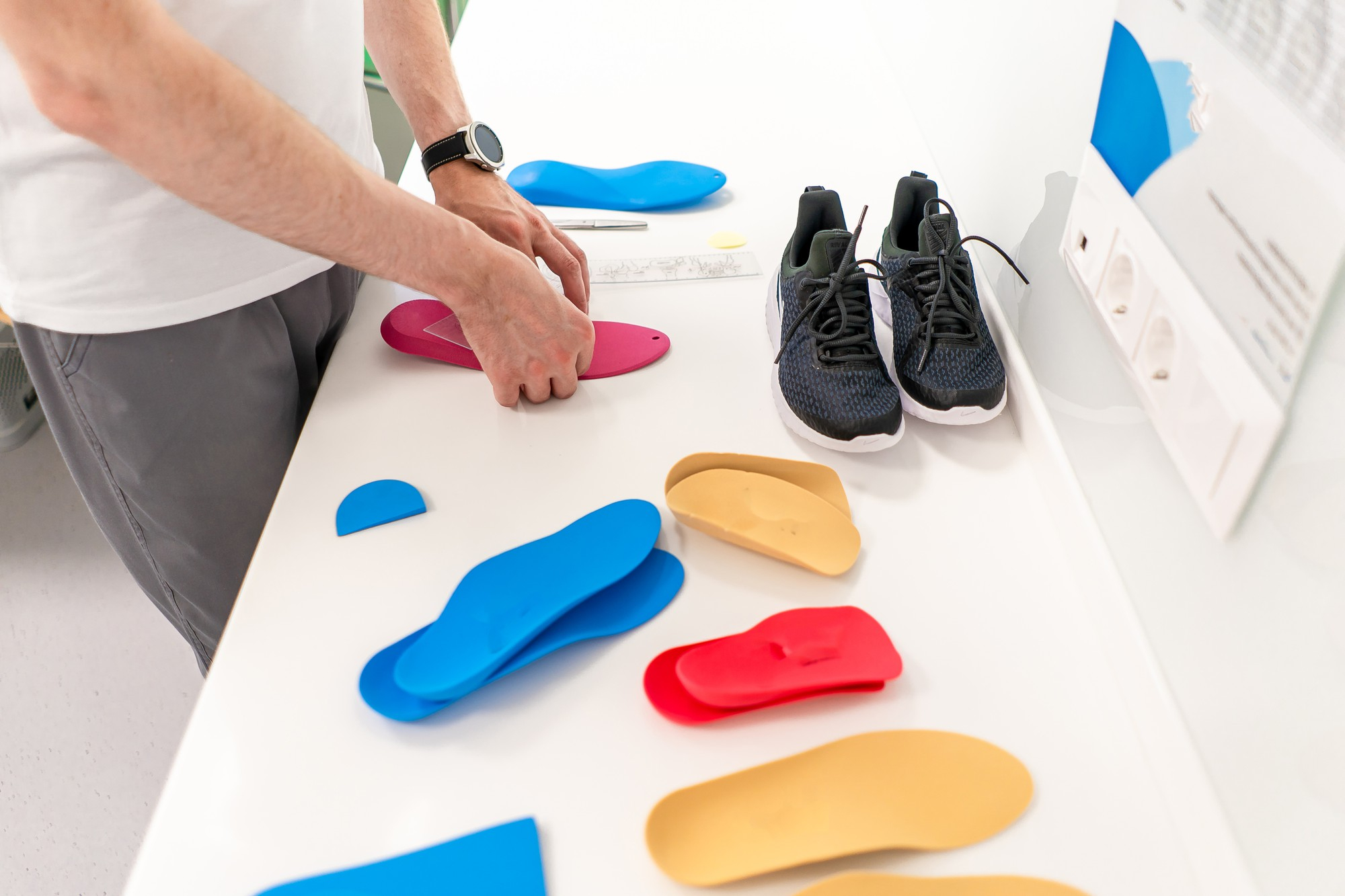
Our custom-made orthotics are designed based on your unique foot structure, gait pattern, and specific condition. Each pair is fabricated in our modern lab for perfect fit and lasting relief.
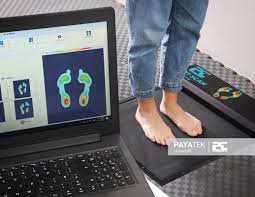
Traditional insoles are one-size-fits-all – but every foot is unique. Here’s how 3D scanning changes the game:
If you experience any of these symptoms, seek professional foot care evaluation immediately.
Our clinic welcomes patients of all ages with various foot-related concerns.
The best treatment for flat feet depends on the severity and symptoms. Options include custom orthotics, physical therapy exercises, supportive footwear, and in rare cases, surgery. Our specialists conduct a thorough evaluation to recommend the most effective treatment plan for your specific condition.
Custom orthotics provide targeted arch support and cushioning to reduce strain on the plantar fascia. They redistribute pressure across your foot, correct gait abnormalities, and promote proper foot alignment, leading to significant pain relief and faster healing.
Yes, most heel spurs can be effectively treated without surgery. Conservative treatments include custom orthotics, stretching exercises, physical therapy, anti-inflammatory medications, and corticosteroid injections. Surgery is considered only when conservative methods fail after 6-12 months.
Home management includes wearing properly fitting shoes with wide toe boxes, using protective pads, applying ice for pain relief, and doing toe stretching exercises. However, professional treatment is recommended for lasting relief and to prevent progression.
Overpronation (inward rolling) and supination (outward rolling) are often caused by structural foot abnormalities, weak muscles, flat feet, high arches, or improper footwear. Our gait analysis helps identify the exact cause and determine the appropriate corrective measures.
Prevention includes daily foot inspections, proper blood sugar control, wearing diabetic-friendly footwear, keeping feet clean and moisturised, regular check-ups with a foot specialist, and immediate attention to any cuts or sores. Our clinic offers comprehensive diabetic foot screening and care.
Hi I am surendra yadav
It was an awesome experience with ability health care.The crew members and Dr Kuldeep , Dr Anushree so nice and humble .
Really I m very happy with our personal experience with ability health care .

I have had a very good overall experience with Ablity health care and Dr. Anushree. I have been using the arch support for about an year now and it has helped me with the heel pain I was suffering from.

Anamika Gupta
Had a very good experience in ability health care.Got my above knee Prosthetic leg & I’m very comfortable & happy with the fitment.Thanks to Dr. Kuldeep & Dr. Annushree.

SHOURABH KUMAR
Hi this is Rishi it was good experience with Ability health care.As for as Dr.Kuldeep is concerned he is a to good, responsible & experienced person. & Dr.Anushree is also caring and humble.
Really it was great experience.

Mahendra Kumar
My self utkarsh we had a best experience in ability health care bundle of thanks to all the staff and specially Dr. anushree mam she helped us and now my brother can walk easily thank you again 😊👍🏻

Som Awasthi
In Ability Healthcare, artificial hands with very good sensor are fitted. Many thanks to Dr. Kuldeep Singh and Dr. Anushree Singh. Now we are able to do all our work again.
Do visit Ability Healthcare Lucknow for artificial hands fitting.

Sanjay Kumar
Invest in your health from the ground up. Whether you’re dealing with discomfort or just want to walk better and live pain-free, Ability Healthcare is here to support you every step of the way.
Plot No. 9A, Kaushalpuri, Khargapur, Gomti Nagar Extension, Lucknow - 226010
+91 9119999158