Improving the Mobility of People with Disabilities!
Personalized Foot Care fitting and rehabilitation to help you walk, run, and live confidently
Home
Services
Foot Care
We are a company dedicated to providing the highest quality prosthetic and artificial limb products to help individuals with limb loss lead active and fulfilling lives.

Flat feet, also known as fallen arches, occur when the arches of the feet collapse, causing the entire sole to come into contact with the ground. This condition can be present from birth or develop over time due to aging, injury, or stress on the foot. Flat feet can lead to pain in the heels, arches, or ankles and may cause problems with walking or standing for long periods. Some individuals experience no symptoms, while others develop leg or back pain due to altered posture and gait. Treatment options include supportive footwear, orthotic inserts, physical therapy, and in severe cases, surgery. Maintaining a healthy weight and avoiding high-impact activities can also help manage the condition and prevent worsening symptoms.

Plantar fasciitis is one of the most common causes of heel pain. It occurs when the plantar fascia—a thick band of tissue running along the bottom of the foot from heel to toes—becomes inflamed or overstretched. The condition is often caused by repetitive strain from activities such as running, walking long distances, or standing for extended periods. People with high arches, flat feet, or improper footwear are more prone to this issue. The pain is usually sharp and worst in the morning or after periods of rest. Treatment includes rest, ice application, stretching exercises, orthotics, and anti-inflammatory medications. Most cases resolve with conservative treatment, but persistent symptoms may require physical therapy, corticosteroid injections, or, in rare cases, surgery.
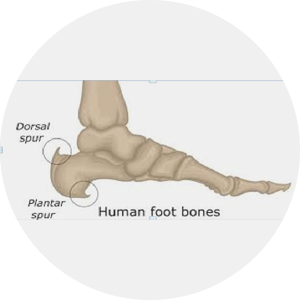
Heel spurs are calcium deposits that cause a bony protrusion on the underside of the heel bone. Often associated with plantar fasciitis, heel spurs develop over time due to strain on foot muscles and ligaments, repeated tearing of the membrane covering the heel bone, or prolonged stress from walking or running. While some people with heel spurs experience no discomfort, others suffer from sharp pain in the heel, especially during standing or walking. Diagnosis is typically confirmed through X-rays. Conservative treatments include rest, stretching exercises, anti-inflammatory medications, and orthotic inserts. Wearing supportive shoes can also help relieve pressure on the heel. Surgery is considered only in severe, chronic cases when other treatments have failed to provide relief.
Bunions and corns are common foot problems caused by pressure and friction. A bunion is a bony bump that forms at the base of the big toe, pushing it toward the other toes. It can cause pain, swelling, and difficulty wearing shoes. Bunions may be inherited or develop due to tight or ill-fitting footwear. Corns are thickened skin areas, usually on the toes or soles, caused by constant pressure or rubbing. They can be painful and may affect mobility. Treatment for bunions includes wearing wide-toed shoes, using padding, and in severe cases, surgery. Corns can often be managed with moisturizing creams, pumice stones, or protective pads. Addressing the underlying cause of pressure is essential to prevent recurrence of both conditions.

Overpronation and supination are biomechanical foot issues that affect walking and running posture. Overpronation occurs when the foot rolls inward excessively while walking, causing the arch to flatten. This can lead to ankle, knee, hip, or back pain due to misalignment. Supination, also called underpronation, is when the foot rolls outward too much, placing extra stress on the outer edge of the foot. It often leads to ankle sprains, shin splints, or heel pain. Both conditions can result from genetics, improper footwear, or muscle imbalances. Treatment involves wearing supportive shoes, using custom orthotic insoles, and performing strengthening and stretching exercises. Identifying and correcting these gait abnormalities early can help prevent further injury and improve overall foot and joint health.

Diabetic foot complications arise from long-term high blood sugar levels, which can damage nerves (diabetic neuropathy) and reduce blood circulation. This can lead to numbness, tingling, and loss of sensation in the feet, making it difficult to notice cuts, blisters, or sores. Without prompt treatment, these minor injuries can become infected and progress to serious ulcers or even gangrene. Poor circulation also impairs healing, increasing the risk of complications. Preventive care is essential, including daily foot inspections, wearing proper footwear, and keeping blood sugar levels under control. Regular check-ups with a healthcare provider or podiatrist are crucial. In severe cases, untreated infections may require hospitalization or amputation. Early intervention is key to preserving foot health and preventing long-term disability in diabetic patients.

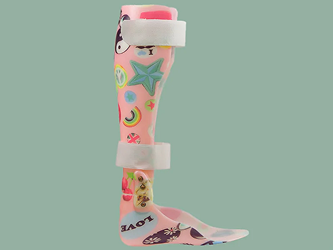
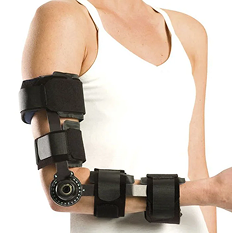
Here, we can showcase the main services like artificial legs, hands, and advanced robotics limbs
Our Step-by-Step Prosthetic Fitting Process
“Prosthetics tech are meant to be comfortable, and functional.”
Above Knee Amputee
Excellent service and care! The team was very professional and helped me get the perfect prosthetic fit. They explained every step clearly, and the follow-up support was great. Highly recommended for anyone looking for quality prosthetic solutions!
2 months ago
Today is “International Prosthetic & Orthotics day”
Upper Extremity Amputee
For years, heroes have been asked to accept a less than desired outcome and to adapt their life around their prosthesis aid. For us, we work hard to provide a true experience that is rich in quality care, education, and innovative technology to provide positive patient outcomes.
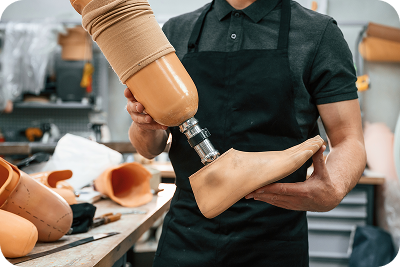
The ability to use an i-Limb hand which is unlike other electric hands that employ a three finger pinch technique combined with the i-Limb hand’s ability to utilize…
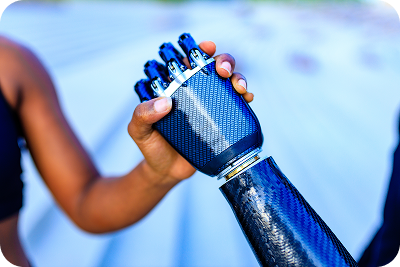
Studies of resilience in persons with disabling conditions have proliferated, but definitions of the construct vary across theoretical ability to sustain equilibrium and adaptive…
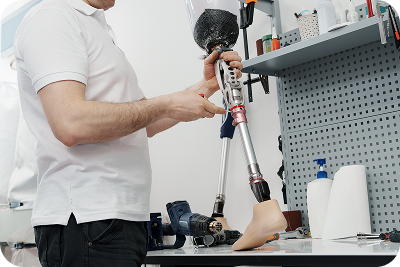
Silicone interfaces have played an important role in the prosthetics field over the last three decades from suspension techniques to the enhancement of comfort and protection…
Include your provided Q&A keywords with short, factual, user-friendly answers
It very much depends on someone’s individual needs, but the comprehensive patient evaluation with clinical team takes approximately 2 to 3 hours and it’s complimentary.
he cost varies based on the type and technology. Basic prosthetic limbs start from ₹25,000, while advanced bionic or robotic ones can go up to ₹5 lakh or more.
“Let our experts help you find the right prosthetic or orthotic solution for your needs. Every step starts with the right support.”